
Last month, I did something ridiculous. I challenged myself to read 50 romance novels in 30 days — that’s 1.67 books per day, for those keeping score.
Why? Honestly, I was tired of people dismissing romance as “brain rot” or “guilty pleasure trash.” I wanted to know: what actually happens when you mainline romance novels like they’re oxygen? Does your brain turn to mush? Do you lose touch with reality? Or — controversial thought — do you actually gain something?
Spoiler: I gained a lot. But not what I expected.
The Rules of My Romance Reading Challenge
Before we dive in, here’s how I structured this slightly unhinged experiment:
- 50 books minimum in 30 days
- All genres of romance allowed (contemporary, paranormal, historical, etc.)
- No DNF-ing books unless absolutely necessary
- Track physical and mental changes daily
- No judgment on heat levels — if it’s romance, it counts
I loaded up my Kindle, stocked up on coffee, and cleared my calendar. Let’s go.
Week 1: The Honeymoon Phase (Books 1–12)
What I Read: Mostly contemporary romance. Safe territory. Think small-town romances, fake dating, and second-chance love stories.
Physical Changes:
- Reading until 2 AM became my new normal
- My eyes felt like sandpaper by day 3
- I stopped watching TV entirely (who has time?)
Mental Changes: This is where it got interesting. By day 5, I noticed my internal monologue had become… dramatic. Making coffee wasn’t just making coffee — it was “the ritual that kept me tethered to reality while fictional men ruined my standards.” I was thinking in romance novel prose. Is this concerning? Maybe. Did I care? Not remotely.
Book Highlight: During this week, I devoured The Love Hypothesis by Ali Hazelwood — fake dating with actual feelings? The slow burn had me reading past my bedtime three nights in a row. The STEM setting was refreshing, and the banter was chef’s kiss. This set the tone for what I’d crave later: romance with smart, witty heroines who don’t lose themselves in the relationship.
Week 2: The Paranormal Awakening (Books 13–25)
What I Read: I dove headfirst into paranormal romance. Werewolves, vampires, fated mates — the whole supernatural buffet.
Physical Changes:
- Sleep schedule? What sleep schedule?
- I started drinking tea at midnight to stay awake
- My partner asked if I was okay (I was not)
Mental Changes: Here’s where the brain chemistry stuff kicked in. Reading paranormal romance with high-stakes emotion and fated mate bonds triggered something primal. The oxytocin rush from reading about soul-deep connections was real. I felt more emotionally aware, more attuned to subtle relationship dynamics.
Also, I may have started judging real-world relationships by fated mate standards. “He remembered your coffee order? That’s cute. My book boyfriend can sense his mate’s emotions from across the city.” (I’m fun at parties now.)
Book Highlights: A Court of Mist and Fury by Sarah J. Maas absolutely destroyed me. I’d read ACOTAR before, but ACOMAF hit different during this challenge. The slow burn between Feyre and Rhys, the found family, the court politics — this is the book that made me understand why people lose their minds over fated mates. I read this in one sitting at 1 AM, convinced my neighbors could hear my gasping. (If you’re post-ACOTAR and desperately searching for what to read next, I’ve got you covered.)
Then came From Blood and Ash by Jennifer L. Armentrout, and I realized I’d developed a full-blown paranormal romance addiction. The forbidden love, the plot twists, the world-building that sucked me in so hard I immediately ordered the entire series.
Science Break: Research shows that reading fiction increases empathy and emotional intelligence. Reading romance specifically activates the same brain regions as experiencing real attraction — dopamine, oxytocin, the works. Basically, my brain was getting relationship cardio.
Week 3: The Existential Crisis (Books 26–38)
What I Read: Everything. Contemporary, historical, dark romance, rom-coms. I was a genre-agnostic reading machine at this point.
Physical Changes:
- Permanent bags under my eyes
- Forgot to eat meals (romance > food, apparently)
- Developed a Pavlovian response to my Kindle notification sound
Mental Changes: This is where things got weird. I started processing my own past relationships through a romance novel lens. That ex who couldn’t communicate? He needed a third-act grovel scene. That situationship that went nowhere? Poor character development and zero plot structure.
I also became hyper-aware of red flags in real life. Romance novels — especially the good ones — show you what healthy communication, consent, and emotional vulnerability look like. They’re relationship blueprints disguised as entertainment.
Book Highlight: I re-read parts of Fourth Wing by Rebecca Yarros during this week (yes, again). On second read, I caught all the subtle foreshadowing, the way Xaden’s protective instincts show up from page one. That’s the difference between a book you enjoy once and a book that reveals new layers on rereads.
Unexpected Discovery: I started writing down quotes that hit different. Turns out romance novels are full of profound truths about love, identity, and self-worth. Who knew?
Week 4: Transcendence and Book Hangover (Books 39–52)
What I Read: The final sprint. I needed 12 more books in 7 days. I read everything I could grab — novellas, duets, comfort re-reads.
Physical Changes:
- My eyes developed a twitch
- Coffee no longer worked (switched to pure spite as fuel)
- I finished book #52 at 11:47 PM on day 30 and immediately passed out
Mental Changes: I entered what I can only describe as “romance novel enlightenment.” Every book felt like it was speaking directly to my soul. I cried at least once per book — happy tears, sad tears, “why isn’t this my life” tears. But here’s the thing: I also felt more emotionally intelligent than I’d ever been. Reading 50 romance novels taught me more about relationships than any self-help book ever did.
Book Highlights: I discovered Beach Read by Emily Henry during this final week, and it perfectly captured the bittersweet nostalgia I was feeling. Second-chance at life, writer’s block, and unexpected love — it reminded me why I started reading romance in the first place. The vulnerability, the messy real-life emotions, the courage it takes to be honest with yourself.
I also finally cracked into Ice Planet Barbarians by Ruby Dixon — don’t judge me. Alien romance that’s somehow both ridiculous and genuinely sweet? The comfort of guaranteed HEAs was exactly what I needed. By this point in the challenge, I could predict plot beats, but I didn’t care. The emotional payoff was still everything.
What Actually Happened to My Brain: The Science
After completing this challenge, I did some research. Here’s what I learned.
1. Increased Empathy
Studies show that reading fiction — especially character-driven narratives like romance — increases cognitive empathy. I noticed this in real time. I became better at reading social cues, understanding unspoken emotions, and communicating my own needs. University of Toronto research has documented this effect in detail, and I felt it playing out across every week of the challenge.
2. Stress Reduction
Reading for just 6 minutes can reduce stress levels by up to 68%. Reading 50 books in 30 days? My baseline anxiety dropped significantly. Sure, I was stressed about finishing the challenge, but overall, I felt calmer. Romance novels were pure escapism in the best way. University of Sussex research backs this up — and as anyone who’s used romance as emotional regulation knows, the effect is very real.
3. Neurochemical Changes
Reading romance triggers dopamine release (pleasure/reward), oxytocin (bonding), and serotonin (happiness). Basically, romance novels are a mood-boosting cocktail for your brain — and Harvard research into reading and neurochemistry explains exactly why the effect is so consistent. I wasn’t imagining the happiness. It was chemistry.
4. Improved Relationship Standards
This one’s controversial, but I stand by it: romance novels raised my standards. Not in an unrealistic “he must be a billionaire duke” way, but in a “he should communicate his feelings and respect my boundaries” way. Romance novels showed me what emotional labor, active consent, and genuine partnership look like in practice.
The Unexpected Life Lessons From 50 Romance Novels
Beyond the brain chemistry, I learned some genuinely useful things.
Lesson 1: Vulnerability Is Strength
Every romance novel hinges on characters being brave enough to be vulnerable. That moment when the MMC finally admits he’s terrified of losing the FMC? That’s not weakness — that’s courage. I started applying this to my own life, and my relationships, romantic and platonic, improved dramatically.
Lesson 2: You Can’t Love Someone Into Changing
Dark romance and morally grey heroes taught me this. The best romance novels show characters choosing to grow, not being forced to change by love. If your partner needs you to fix them, that’s not romance — that’s a project.
Lesson 3: Communication > Grand Gestures
Rom-coms love the big romantic gesture, but the best books show consistent, everyday communication. The hero who asks “are you okay with this?” before every intimate moment. The heroine who says “I need space to process” instead of ghosting. That’s the real love story — and once you see it clearly on the page, you start recognizing its absence in real life.
Lesson 4: Happy Endings Are Worth Fighting For
Romance novels guarantee a Happily Ever After (HEA) or Happy For Now (HFN). That guarantee is radical. It says: love is worth the risk. Happiness is possible. You deserve a soft epilogue. By the end of the challenge, I’d started believing that for my own life — and that might be the most unexpected thing 50 book boyfriends ever gave me.
Would I Do This Again? (And Should You?)
Absolutely yes — with some modifications.
What I’d Change:
- Set a more reasonable goal (30 books in 30 days, maybe?)
- Schedule actual sleep
- Take notes from the beginning — I forgot so much
- Balance genres better (I over-indexed on paranormal in week 2)
Should you try a romance reading challenge? If you’re looking to rediscover joy in reading, understand relationships better, reduce stress, find new favourite authors, or prove to skeptics that romance novels are literature (they are, fight me) — then yes. Do it. Your brain will thank you.
Final Book Count: 52 Books in 30 Days
I overshot by 2 books because I couldn’t stop. Here’s the breakdown:
- Contemporary: 18 books
- Paranormal: 20 books
- Historical: 6 books
- Dark Romance: 5 books
- Rom-Com: 3 books
Top 5 Books That Rewired My Brain
- A Court of Mist and Fury by Sarah J. Maas — Fated mates perfection
- Fourth Wing by Rebecca Yarros — Dragons and slow burn excellence
- The Love Hypothesis by Ali Hazelwood — STEM romance that’s actually smart
- Beach Read by Emily Henry — Emotional depth that hits different
- From Blood and Ash by Jennifer L. Armentrout — Plot twists I didn’t see coming
Add These to Your TBR
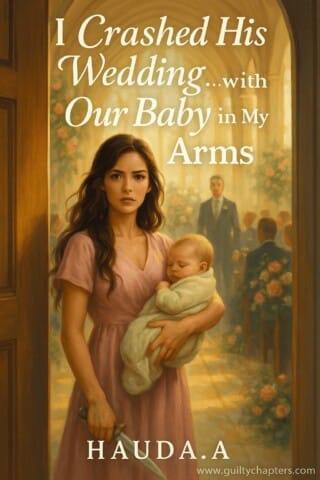
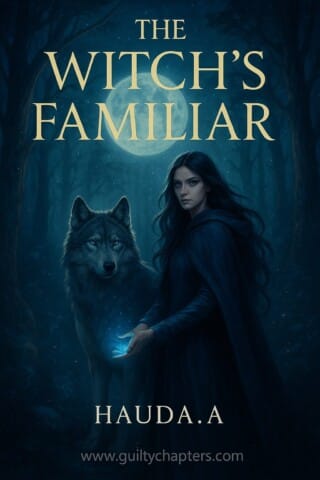
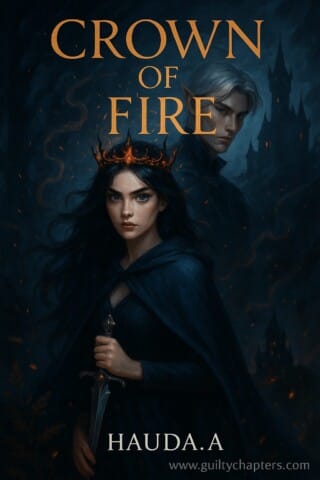
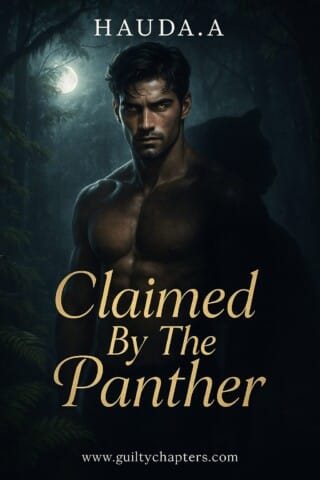
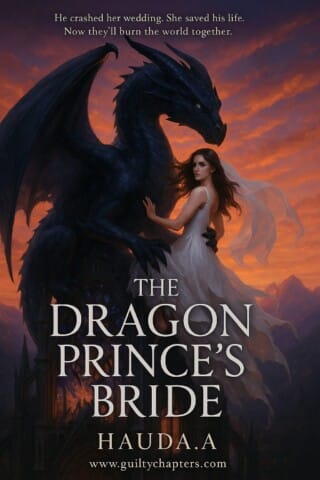
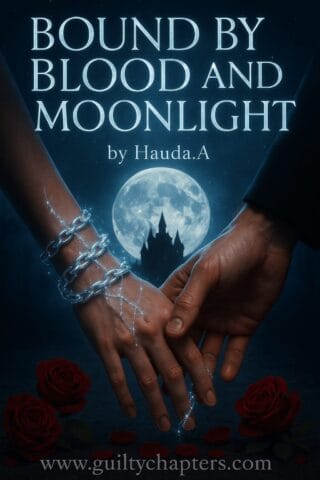
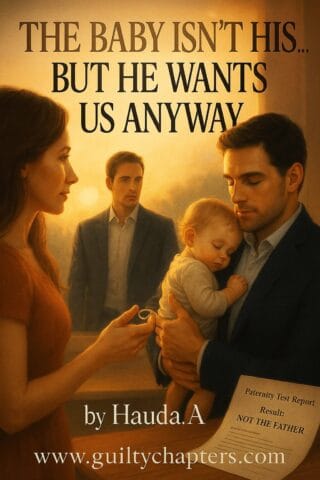
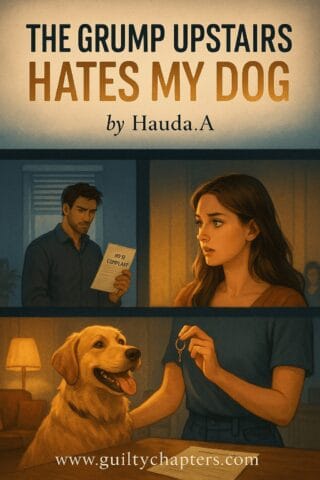
If this challenge has you wanting to build your own romance reading list, these GuiltyChapters originals span the full spectrum — from cozy contemporary to dark paranormal — and every single one delivers on the HEA.
- My Stepbrother, My Enemy — Enemies to lovers with nowhere to run and feelings neither of them planned for
- The Bookshop by the Sea — Cozy, slow-burning, and the kind of love story that restores your faith in quiet happiness
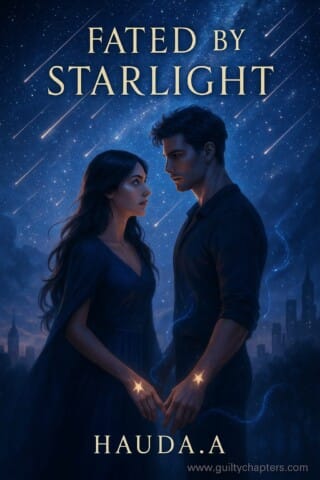
- Fated by Starlight — For the paranormal fated-mates craving that Week 2 will absolutely give you
- The Baker and The Grump — Sunshine meets grumpy in the most irresistible way
Browse more: Contemporary Romance | Paranormal Romance | Fated Mates Romance | Dark Romance | Fantasy Romance
The Bottom Line
Reading 50 romance novels in a month didn’t rot my brain. It didn’t give me unrealistic expectations. It didn’t make me a worse person.
It made me more empathetic, emotionally intelligent, and joyful. It reminded me that love — in all its messy, complicated, beautiful forms — is worth celebrating. And if you need more convincing, the science is on your side: this genre is doing something real for the brains of the people who read it.
So the next time someone dismisses your romance novel as a “guilty pleasure,” tell them this: there’s nothing guilty about it. Romance novels are brain food, relationship education, and pure serotonin wrapped in a compelling story.
Now if you’ll excuse me, I have a TBR pile the size of a small mountain calling my name.
Have you ever done a reading challenge? What happened to your brain? Drop a comment — I’d love to hear about your book binges and the unexpected things they taught you.


























👀 No one has reacted to this chapter yet...
Be the first to spill! 💬