
Here’s a confession: my most-read, most-reread, most-obsessed-over romances are the ones I probably shouldn’t admit I love.
Age gaps that raise eyebrows. Relationships that start with “this is a terrible idea.” Love stories where the very premise makes you think, “This can only end badly… but please, tell me more.” Forbidden romance. Taboo love. Whatever you want to call it — we’re addicted to it. The question is: why?
What is it about forbidden romance that bypasses our rational brain and goes straight to our lizard brain screaming “YES, MORE OF THIS”? Why do we gravitate toward the relationships that break rules, cross lines, and make us whisper “they shouldn’t… but what if they did?”
Buckle up. We’re going deep into the psychology of why forbidden romance is irresistible — and why that’s actually completely normal.
What Makes Romance “Forbidden”?
Before we dissect the psychology, let’s define what we’re actually talking about. Forbidden romance isn’t one trope — it’s an entire spectrum of “this shouldn’t happen, but it’s happening anyway.”
1. Age Gap Romance
The older/younger dynamic. Professor/student. Boss/intern. The power dynamic that makes you think “is this okay?” while simultaneously devouring the book at 2 AM.
2. Familial Taboos
Stepsibling romance. Best friend’s parent. Dating your ex’s sibling. The “this will cause a family implosion” scenarios.
3. Professional Boundaries
Boss/employee. Doctor/patient. Bodyguard/client. Relationships where the professional consequences are very real.
4. Social Class Differences
Royalty/commoner. Billionaire/working class. The “we’re from different worlds” dynamic that society says shouldn’t work.
5. Species/Supernatural Barriers
Human/vampire. Human/werewolf. Mortal/immortal. The biological impossibility angle (paranormal romance, I’m looking at you).
6. Moral Gray Areas
The relationship that starts with deception. The love interest who’s technically the villain. The “I hired you to do something that led to us falling for each other” situation. Dive deeper into morally grey romance here.
The common thread? Obstacle + chemistry = irresistible.
The Psychology Behind Our Forbidden Romance Obsession
1. The Romeo and Juliet Effect (Psychological Reactance)
There’s actual science backing up why forbidden love is so appealing. It’s called psychological reactance, and it’s basically your brain being a rebellious teenager.
The Theory: When something is forbidden or restricted, we want it MORE. The restriction itself increases desire.
In a famous study, psychologist Jack Brehm found that when people are told they can’t have something, their desire for it intensifies. This is the same reason kids want the toy that’s on the highest shelf, and why we’re obsessed with love stories where someone says “you can’t be together.”
Our brain hears “forbidden” and translates it to “MUST HAVE IMMEDIATELY.”
In Romance Novels: Think about every story where family, society, or circumstances say “no.” The characters’ desire intensifies specifically because of the obstacles. And as readers, we’re along for that ride, feeling that heightened intensity ourselves.
The forbidden element doesn’t just add conflict — it makes the romance feel MORE important, MORE urgent, MORE worth fighting for.
2. Forbidden Romance = High Stakes = Emotional Investment
Here’s the thing about easy romance: it’s… fine. Sweet. Uncomplicated.
But forbidden romance? The stakes are everything. These characters risk:
- Family relationships
- Professional careers
- Social standing
- Personal safety (in paranormal/dark romance)
- Their entire identity
When the cost of love is that high, every moment together becomes precious. Every touch is loaded with meaning. Every “we shouldn’t” makes the “but we will” even more powerful.
From a reader’s perspective: We’re emotionally invested because we know what’s at stake. We’re not just rooting for them to get together — we’re rooting for them to survive the fallout, to choose each other despite the cost, to prove that love is worth the risk.
High stakes = high emotional payoff.
3. The Taboo Arousal Effect
Let’s talk about the elephant in the room: forbidden romance is often VERY attractive because it’s taboo.
Research in sexual psychology shows that taboo fantasies are extremely common and completely normal. The forbidden element creates psychological arousal that intensifies physical attraction.
Why? Because taboo scenarios:
- Activate our curiosity (what would that be like?)
- Create a sense of danger (risk = adrenaline = arousal)
- Feel transgressive (breaking rules is thrilling)
- Tap into power dynamics (complicated but compelling)
Important distinction: Fantasy vs. reality. Being aroused by a fictional forbidden romance doesn’t mean you want that situation in real life. Fiction is a safe space to explore taboo scenarios without real-world consequences. That’s literally what fiction is for.
Reading about a morally gray stalker werewolf who’s obsessed with the heroine? Hot.
Encountering that in real life? Terrifying and not okay.
Our brains can differentiate, even if we’re fully immersed in the fantasy.
4. Forbidden Romance Taps Into Identity and Autonomy
Here’s a deeper layer: forbidden romance often explores themes of identity, autonomy, and self-determination.
Characters in forbidden romances are forced to ask:
- Who am I beyond what society expects?
- What do I want, separate from what others want for me?
- Am I brave enough to choose love even if it costs me everything?
These are HUGE existential questions, and romance novels explore them through relationship dynamics.
Example: Age gap romances often feature a younger character discovering their own agency and an older character learning to respect boundaries. Done well, these stories are about mutual growth and choosing each other despite external judgment.
As readers, we’re drawn to characters who fight for their autonomy. The forbidden element forces characters to become their most authentic selves — and that’s deeply satisfying to witness.
5. The Transformation Fantasy
Forbidden romance also taps into the transformation narrative — the idea that love can fundamentally change us (for the better).
In many forbidden romances, at least one character is “wrong” for the other:
- The cold, closed-off hero who learns to be vulnerable
- The rule-following heroine who discovers her wild side
- The villain who chooses redemption because of love
We’re obsessed with these stories because they promise that love can transform even the most unlikely person. The forbidden element makes the transformation more dramatic, more meaningful, more earned.
Case Study: Enemies-to-lovers paranormal romance. The hero who’s literally a supernatural creature bound by instinct — learning to control himself, to choose connection over violence, to become more human through love. That’s the ultimate transformation fantasy.
Why The Spanish Love Deception Is a Forbidden Romance Psychology Masterclass
I need to spotlight this book because it’s a PERFECT example of forbidden romance psychology in action.
The Setup: Fake dating your colleague who you’ve been sniping at for months. The professional boundary combined with enemies-to-lovers creates delicious tension.
Why It Works Psychologically
1. Multiple Forbidden Layers
- Professional colleagues (workplace romance taboo)
- The deception (fake relationship that becomes real)
- Enemies dynamic (you’re not supposed to fall for someone you hate)
- The vulnerability of admitting you were wrong about someone
This isn’t one forbidden element — it’s a STACK of them. Each layer intensifies the tension.
2. High Emotional Stakes
If they pursue this, they risk:
- Their professional relationship
- Their carefully maintained emotional walls
- The potential of public humiliation if it goes wrong
- Having to admit they misjudged each other
Every moment they’re together carries the weight of potential devastation. That makes every interaction MORE intense, MORE meaningful.
3. The Transformation Arc
What starts as a transactional arrangement becomes genuine connection. Both characters have to confront their prejudices and emotional guards. The forbidden nature forces growth.
4. Taboo Arousal + Emotional Depth
The “we absolutely shouldn’t” combined with “but I can’t help it” creates both psychological tension and genuine emotional connection. It’s not just hot — it’s emotionally complex.
This book exemplifies why we love forbidden romance: it’s not about the taboo for taboo’s sake. It’s about characters navigating impossible situations and choosing love despite the cost. That’s compelling storytelling.
Dark Paranormal Romance: Forbidden Romance on Steroids
Let’s talk about paranormal forbidden romance, because this subgenre takes “forbidden” to supernatural extremes.
A Court of Thorns and Roses Series by Sarah J. Maas
This series is a masterclass in forbidden paranormal romance. Let’s break down the psychological appeal:
The Forbidden Elements:
- Human/Fae dynamic (species barrier)
- The enemy territory element (she’s trapped in his world)
- The cursed hero (he’s literally dangerous)
- The power imbalance (High Lord vs. human)
Why It’s Irresistible:
1. Primal Attraction
Paranormal romance taps into primal, instinctual attraction. The fae’s obsessive focus on their mate mirrors the intensity we fantasize about — being wanted SO completely that it transcends species and logic.
2. Consent and Control
Here’s what makes dark paranormal romance work: the negotiation of consent and control. The best books in this subgenre show the hero constantly respecting boundaries, giving the heroine power even within the dangerous dynamic. That tension between “I could hurt you” and “I would never” is intoxicating.
3. The Beast and Beauty Dynamic
The monster who becomes gentle for ONE person. The dangerous creature who’s soft only for his mate. This is the transformation fantasy amplified.
4. Fated Mates = Ultimate Forbidden
When the paranormal world says “you’re destined,” but the human world (or logic) says “this is impossible,” you get maximum tension. Destiny vs. choice is a compelling conflict.
From Blood and Ash by Jennifer L. Armentrout
Forbidden romance with vampires takes the taboo to another level:
The Psychological Appeal:
- Forbidden duty vs. desire (she’s the Maiden, he’s her guard)
- The secret identity element (neither is who they claim)
- Natural enemies falling in love (predator and prey dynamic)
- The blood bond = permanent connection (irrevocable commitment)
This book explores what happens when the forbidden love literally changes you. The blood bond isn’t just symbolic — it’s transformative. That permanence raises the stakes impossibly high, which makes the emotional payoff even more satisfying.
More Forbidden Romance Books That Prove the Psychology Right
The Hating Game by Sally Thorne
Forbidden Element: Workplace enemies-to-lovers at its absolute finest.
Psychological Appeal:
- The professional boundary (office romance taboo)
- The intimacy of being forced together daily
- The forbidden knowledge (they know each other’s weaknesses)
- The vulnerability of admitting attraction to someone you “hate”
This taps into the fear and desire of being completely known by someone who’s seen you at your worst. Falling for your enemy is terrifying — but also the ultimate fantasy of being understood despite everything.
The Cruel Prince by Holly Black
Forbidden Elements:
- Human/Fae dynamic (species barrier)
- Enemies to lovers (he literally torments her)
- Power imbalance (mortal in faerie court)
- Political consequences (their relationship could start a war)
Why It Works:
The forced proximity + enemies dynamic creates forced intimacy. They HAVE to navigate the same world, which leads to grudging understanding, which leads to reluctant respect, which leads to “oh no, I’m falling for my enemy.”
The forbidden aspect makes every moment of softness MORE impactful. When the cruel prince shows tenderness? That hits differently because it shouldn’t be happening.
Why Forbidden Romance Is Actually Healthy (In Fiction)
Let’s address the elephant: are we problematic for loving forbidden romance?
Short answer: No.
Long answer: Fiction is where we safely explore complex emotions, taboo scenarios, and moral gray areas without real-world consequences.
What Forbidden Romance Teaches Us
- Empathy for Complex Situations — These stories force us to understand why people make “wrong” choices. That builds empathy.
- Understanding Consent and Boundaries — The BEST forbidden romances show constant consent negotiation. They model how to navigate complicated dynamics ethically.
- Recognizing Red Flags (and Green Flags) — Reading widely helps us understand the difference between “hot in fiction” and “red flag in reality.”
- Exploring Identity and Autonomy — These stories ask: who are you when you strip away external expectations?
- Believing Love Is Worth Fighting For — Forbidden romance says: some things are worth the risk. That’s a hopeful message.
The Dark Side: When Forbidden Romance Goes Wrong
Not all forbidden romance is created equal. Here’s how to tell the difference between compelling and concerning:
Red Flags in Forbidden Romance
- No consent or consent is coerced
- Power imbalance is never addressed or challenged
- Abuse is romanticized without consequence
- Characters never grow or change
- The “forbidden” element is the ONLY appeal (no emotional depth)
Green Flags in Forbidden Romance
- Enthusiastic consent is clear (even in dark romance)
- Power dynamics are acknowledged and navigated
- Characters grow and make active choices
- There’s emotional depth beyond the taboo
- The story explores WHY the romance is forbidden (not just using it for shock value)
Why We’ll Never Stop Reading Forbidden Romance
Here’s the truth: forbidden romance speaks to something fundamental in human nature.
We’re drawn to the tension between what we should do and what we want to do. We’re fascinated by people who risk everything for love. We want to believe that connection can transcend boundaries, rules, and even biology (looking at you, paranormal romance).
Forbidden romance also offers the ultimate escapism: in fiction, the forbidden love usually WORKS. They find a way. The family forgives them. The supernatural bond saves them. Love conquers the obstacles.
In real life, forbidden love is messy and often ends badly. In fiction, we get to experience the intensity without the real-world consequences. That’s the entire point of fiction — to feel things safely.
Final Thoughts: There’s Nothing Wrong With You
If you love forbidden romance, you’re not broken. You’re not toxic. You don’t have unresolved issues (well, maybe, but not because of your reading preferences).
You’re human. You’re drawn to complex, high-stakes stories about people choosing connection despite impossible odds. You want the intensity, the transformation, the proof that love is worth fighting for.
Forbidden romance delivers all of that in the most concentrated form possible.
So the next time someone side-eyes your “problematic fave” book, just smile and say: “It’s psychology, actually.”
What’s your favorite forbidden romance trope? Drop a comment — I want to hear about the taboo scenarios that live rent-free in your head.
Read More Forbidden Romance From GuiltyChapters
If forbidden romance is your thing, these original stories were practically written for you:
- My Stepbrother, My Enemy — Enemies under the same roof, one shared history, and a secret that changes everything. The ultimate stepsibling forbidden romance.
- My Father’s Best Friend Is My New Boss — Off-limits, age gap, and professionally catastrophic. Exactly the way we like it.
- I Accidentally Seduced My Ex’s Dad — The accidental taboo that spirals into something neither of them planned for.
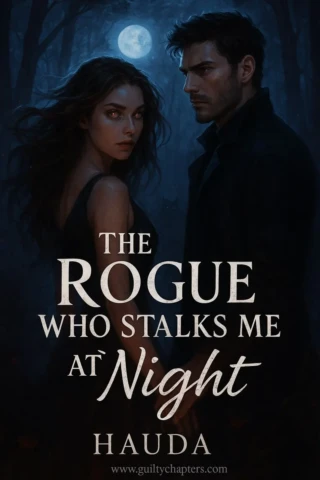
- His Blood Made Me Immortal — Supernatural forbidden romance where the stakes aren’t just emotional — they’re eternal.
Browse more: Forbidden Romance | Dark Romance | Paranormal Romance | Morally Grey Romance | Enemies to Lovers
Related Posts
- 10 Forbidden Romance Tropes That Will Make You Blush (And Why We Can’t Stop Reading Them)
- 25 Morally Grey Romance Books: Heroes Who Are Kinda Villains
- 10 Best Enemies-to-Lovers Romance Books to Devour This Year
- Age Gap Romance Done Right (And When It’s Problematic)
- The Ultimate Guide to Dark Romance
👀 No one has reacted to this chapter yet...
Be the first to spill! 💬