
There’s something undeniably thrilling about reading a romance that’s completely off-limits. Whether it’s because of social taboos, professional boundaries, or family dynamics, forbidden romance hits differently. These relationships come with built-in tension, high stakes, and the delicious thrill of doing something you shouldn’t.
Let’s explore ten forbidden romance tropes that will make you blush, question your morals, and keep you reading way past your bedtime—plus the psychological reasons we can’t seem to get enough of them.
Best Friend’s Sibling
The Setup: You’ve known them your whole life. They’re your best friend’s annoying little sister or overprotective older brother. Off-limits. Completely forbidden. And yet…
Why It’s Forbidden: Breaking this rule doesn’t just risk the romance—it risks a lifelong friendship. The stakes are doubled because you could lose two important relationships if it goes wrong.
Why We Love It: There’s built-in history, forced proximity (you’re always around because of the friend), and the slow realization that the person you’ve known forever has suddenly become irresistible.
The Appeal: This trope combines familiarity with discovery. They’ve always been there, but suddenly you’re seeing them in a completely new light. Plus, the sneaking around adds delicious tension.
Popular Examples:
- The Deal by Elle Kennedy — hockey player falls for best friend’s sister. Read on Amazon →
- The Score by Elle Kennedy — continuation of the friend group dynamics. Read on Amazon →
- The Risk by Elle Kennedy — finally gives us the forbidden brother romance. Read on Amazon →
Teacher/Student
The Setup: The power dynamic is clear—one person holds authority over the other. Whether it’s college professor and student, or the slightly less problematic version where they meet before knowing their roles, this trope walks a fine line.
Why It’s Forbidden: Power imbalance, professional ethics, potential career destruction, and in many cases, it’s literally illegal or against institutional policy.
Why We Love It: The intellectual connection, the forbidden nature of the attraction, and the eventual shedding of roles to become equals makes for compelling reading.
Important Note: Most popular versions of this trope feature adult students in college/university settings and often involve the relationship developing after the class ends or the professor recusing themselves from grading/teaching the student.
The Appeal: Intelligence is sexy, and there’s something compelling about two people who have to fight against institutional rules and societal judgment to be together.
Boss/Employee
The Setup: One person signs the other’s paychecks. The power dynamic is clear, the professional boundaries are firm, and getting involved could destroy careers.
Why It’s Forbidden: Professional ethics, sexual harassment concerns, accusations of favoritism, and the potential for career implosion make this trope inherently risky.
Why We Love It: Workplace proximity, competence porn (watching people be excellent at their jobs is hot), and the tension of maintaining professionalism while wanting to jump each other across the conference table.
The Evolution: Modern romance handles this more carefully, often with the couple addressing the power imbalance, HR involvement, or one person changing departments/jobs.
The Appeal: The forced proximity of working together, the professional competence, and the slow breakdown of workplace boundaries create natural tension. If office forbidden romance is your thing, our list of workplace enemies to lovers romance has exactly the heat you’re looking for.
Popular Examples:
- The Hating Game by Sally Thorne — co-CEOs’ assistants who despise each other. Read on Amazon →
- Beautiful Bastard by Christina Lauren — intern and the boss she can’t stand. Read on Amazon →
- Bared to You by Sylvia Day — wealthy executive and his new employee. Read on Amazon →
Dad’s Best Friend/Mom’s Best Friend
The Setup: Someone you’ve known since childhood, who watched you grow up, who is absolutely, definitely, 100% off-limits because they’re your parent’s age and closest friend.
Why It’s Forbidden: Age gap, family friend dynamics, the parent’s inevitable reaction, and the social judgment make this one of the most taboo tropes.
Why We Love It: The age gap brings life experience and maturity, the built-in history creates depth, and the sneaking around adds tension. Plus, there’s something compelling about someone seeing you as an adult when they remember you as a kid.
The Appeal: This trope often features a heroine who’s been crushing on the hero for years, and the moment he finally sees her as a woman (not his friend’s daughter) is incredibly satisfying. For the best examples of this trope done right, our roundup of dad’s best friend romance books is the place to start.
Content Consideration: This trope requires careful handling. The best versions feature heroines who are adults (mid-twenties minimum) and heroes who didn’t harbor inappropriate feelings when she was younger.
Brother’s Best Friend
The Setup: He’s been in your house forever, teasing you at family dinners, treating you like a kid sister. Your brother has made it crystal clear: off-limits.
Why It’s Forbidden: The friend code, the sibling’s protective instincts, and the risk of destroying a lifelong friendship if it goes wrong.
Why We Love It: The built-in history, the slow-burn realization, the forced proximity, and the satisfaction of being seen as more than just “the little sister.”
The Appeal: There’s something deeply satisfying about the moment when the hero stops seeing the heroine as his friend’s kid sister and starts seeing her as a woman. The shift in dynamic is chef’s kiss.
Popular Examples:
- The Chase by Elle Kennedy — classic off-limits hockey romance. Read on Amazon →
- Broken Knight by L.J. Shen — dark, angsty, and deeply emotional. Read on Amazon →
- Punk 57 by Penelope Douglas — with a twist on the usual formula. Read on Amazon →
Enemies to Lovers (With Forbidden Elements)
The Setup: They hate each other. Maybe they’re rival companies, feuding families (Romeo and Juliet style), or on opposite sides of some conflict. Being together isn’t just inadvisable—it’s betrayal.
Why It’s Forbidden: Loyalty to family, company, or cause makes the relationship impossible. Being together means choosing love over everything else.
Why We Love It: The tension is built into every interaction, the banter is sharp, and watching hatred turn to desire (and horror at that desire) is incredibly compelling.
The Appeal: The enemies to lovers trope is already popular, but adding forbidden elements—family feud, corporate rivalry, rival loyalties—raises the stakes even higher. When choosing each other means betraying everything else, the payoff hits that much harder.
Secret Billionaire/Class Difference
The Setup: One person is fabulously wealthy, the other is decidedly not. The family doesn’t approve of someone “beneath their station,” creating a forbidden dynamic based on class.
Why It’s Forbidden: Family pressure, social expectations, cultural differences, and the very real power imbalance that money creates.
Why We Love It: It’s a modern take on the Cinderella story, with added tension from disapproving families and social circles. The fantasy of being chosen despite not fitting into their world is powerful.
The Appeal: The fish-out-of-water elements, the grand gestures, and the ultimate validation of being chosen over family expectations make this trope satisfying.
Rock Star/Fan
The Setup: One person is famous, the other is a fan. The power dynamic is clear, the accessibility is unequal, and crossing that boundary breaks all the rules.
Why It’s Forbidden: The power imbalance, the professional boundaries (if the fan is staff/crew), and the potential for exploitation make this relationship problematic.
Why We Love It: The fantasy of being seen and chosen by someone famous, behind-the-scenes access to their real self, and the contrast between public image and private reality.
Modern Handling: The best versions of this trope address the power dynamic head-on and feature heroines who maintain their identity and agency despite the fame differential.
The Appeal: It’s pure wish fulfillment—the fantasy that your idol would not only notice you but fall in love with you for who you really are.
Bodyguard/Protectee
The Setup: One person is hired to protect the other. Professional boundaries are clear: don’t get involved with the client. Emotions are a distraction, and distractions can be deadly.
Why It’s Forbidden: Professional ethics, the danger of distraction, the power dynamic (one person literally controls the other’s movements for safety), and often employer policies.
Why We Love It: Forced proximity, competence porn, the protective instinct, and the slow breaking down of professional walls make this trope irresistible.
The Appeal: There’s something primal about someone being willing to die for you, and the moment when protection becomes something more is incredibly powerful.
Popular Examples:
- Twisted Games by Ana Huang — royal + bodyguard with devastating tension. Read on Amazon →
- Protecting What’s His by Tessa Bailey — possessive protector who definitely crosses the line. Read on Amazon →
- The Protector by Jodi Ellen Malpas — hired to protect her, unable to stay away. Read on Amazon →
Stepsibling Romance
The Setup: Their parents married each other, making them family—legally and socially, if not by blood. Society says they’re siblings now, but biology says otherwise.
Why It’s Forbidden: Social taboo, family dynamics, and the complications that come from being legally related create massive obstacles.
Why We Love It: This is one of the most controversial tropes because it pushes boundaries while technically involving no blood relation. The taboo is entirely social, which makes for interesting tension.
Important Distinction: These romances feature no blood relation—the connection is purely legal through parental marriage, usually when the couple are already teenagers or adults.
The Appeal: The forbidden nature is entirely social rather than biological, creating a “why can’t we be together if there’s no actual reason?” dynamic that’s compelling.
Popular Examples:
- Punk 57 by Penelope Douglas — with stepsibling elements and pen pal twist. Read on Amazon →
- Bully by Penelope Douglas — dark, enemies-to-lovers with complicated history. Read on Amazon →
- Credence by Penelope Douglas — extremely taboo, for readers who want the darkest version. Read on Amazon →
Why Forbidden Romance Is So Irresistible
The Psychology of Forbidden Love
- Reactance Theory: When something is forbidden, we want it more. It’s basic human psychology—being told we can’t have something makes us desire it more intensely.
- Higher Stakes: Forbidden romances come with built-in conflict. The relationship itself is the obstacle, which creates natural tension on every page.
- Risk and Reward: The greater the risk, the greater the emotional payoff. When characters risk everything for love, the reward feels more significant.
- Transgression Fantasy: Reading about people breaking rules allows us to explore transgression safely, without real-world consequences.
- Us Against the World: Forbidden romances create an “us against the world” dynamic that’s deeply romantic. When the whole world says no but they choose each other anyway, it feels like fate.
- Validation: When someone chooses you despite all the reasons they shouldn’t, it feels like the ultimate validation. You’re worth the risk, worth the consequences, worth defying the rules.
For a much deeper dive into why these storylines captivate us at a neurological level, read our full breakdown of the secret psychology of forbidden romance.
What Makes Forbidden Romance Work
- Chemistry: The attraction needs to be overwhelming enough to justify breaking rules and risking consequences.
- Acknowledgment of the Forbidden Nature: Characters should recognize why the relationship is problematic and struggle with it, not ignore it.
- High Stakes: We need to see what they’re risking—career, family, social standing, etc.
- Worth It: The relationship needs to be compelling enough that we believe it’s worth the risk.
- Character Growth: The best forbidden romances force characters to examine their values, priorities, and what they’re willing to risk for love.
- Eventual Resolution: Whether they end up together or apart, there needs to be resolution to the forbidden aspect.
Content Warnings and Ethical Considerations
Forbidden romance often involves power imbalances and ethically questionable situations. These are fantasies, not relationship guides. Behaviors and situations that are compelling in fiction might be harmful in reality.
Always remember:
- Age gaps in fiction vs. reality: What’s romantic in a book might be inappropriate in real life
- Power dynamics: Fictional power imbalances are explored safely; real ones can be harmful
- Consent: Fantasy and reality have different rules
- Professional ethics exist for good reasons in the real world
The Bottom Line
Forbidden romance works because it taps into something fundamental about human nature: we want what we can’t have, and we’re drawn to high-stakes emotional situations. These tropes let us explore taboo themes, intense emotions, and boundary-pushing scenarios safely through fiction.
Whether it’s the best friend’s sibling you’ve crushed on for years, the boss you absolutely shouldn’t be attracted to, or the bodyguard hired to protect you, forbidden romances deliver tension, chemistry, and the satisfying fantasy of love conquering all obstacles. So the next time you pick up a romance that makes you blush and think “they definitely shouldn’t be doing that,” settle in for a delicious reading experience. That’s the forbidden romance working exactly as intended.

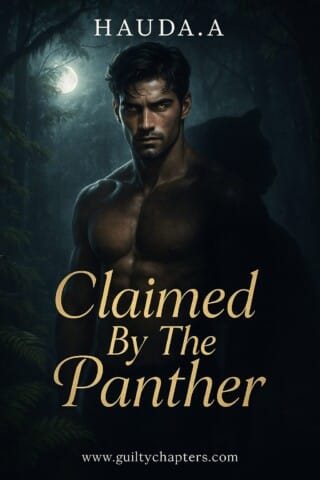
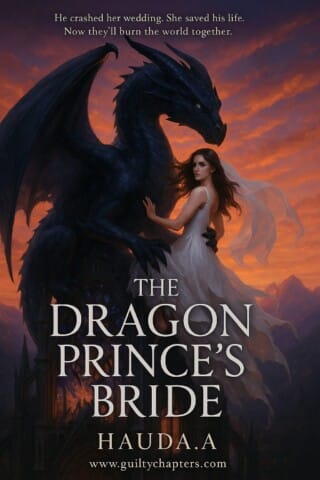
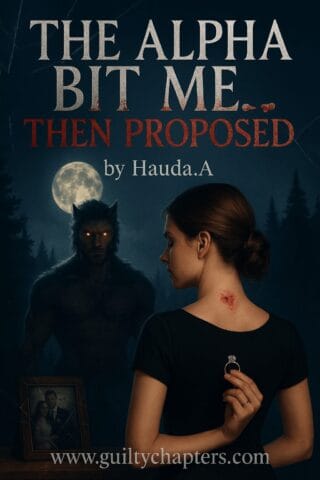
Read on GuiltyChapters
If the rules exist to be broken, our stories are written to break them spectacularly:
- My Stepbrother, My Enemy — they were forced to share a home. They were absolutely not supposed to fall in love.
- My Father’s Best Friend Is My New Boss — forbidden on two counts, catastrophic on every level.
- I Fell For My Ex’s Lawyer — professionally off-limits, personally inevitable.
- I Accidentally Seduced My Ex’s Dad — she had no idea who he was. Until it was too late.
Browse more: Forbidden Romance | Enemies to Lovers | Age Gap Romance | Workplace Romance | Dark Romance
Happy (scandalous) reading!















































Pingback: The Secret Psychology Of Forbidden Romance (And Why We Can't…