
Picture this: two people who barely know each other (or actively dislike each other) standing at an altar, saying “I do” for reasons that have absolutely nothing to do with love. Maybe it’s for a green card, an inheritance, to fool nosy relatives, or to solve some other problem. They agree it’s purely business—no feelings involved.
Except we all know how this ends.
The fake marriage (or marriage of convenience) trope is one of the most beloved in romance, and once you understand why, you’ll never be able to resist it either.
What Is the Fake Marriage Trope?
A fake marriage romance involves two people entering into a marriage for practical reasons rather than love. They typically agree to strict boundaries and a definite end date. The marriage is supposed to be fake, platonic, purely transactional.
Spoiler alert: It never stays that way.
Why This Trope Is Irresistible
Forced Proximity
Nothing accelerates a romance like being legally bound to someone and sharing living space. The fake marriage trope automatically creates forced proximity—they’re living together, possibly sharing a bedroom to maintain the ruse, and navigating domestic life as a team.
Every shared breakfast, every “good morning,” every accidental touch in the hallway becomes charged with tension. You can’t escape someone you’re married to, which means all that chemistry has nowhere to go but up.
The “Oh No, I’m Catching Feelings” Moment
The absolute best part of any fake marriage romance is watching the characters realize they’re developing real feelings. The panic, the denial, the desperate attempts to stick to the original agreement—it’s delicious.
There’s something deeply satisfying about watching someone fall in love despite their best efforts not to. Especially when the other person is going through the exact same thing and also trying to hide it.
Domestic Intimacy
Fake marriage stories give us all the intimate, mundane moments that make a relationship feel real: grocery shopping together, arguing about dish soap brands, figuring out whose side of the bed is whose, navigating each other’s morning routines.
These small, domestic moments create a different kind of intimacy than grand romantic gestures. They’re the moments that make you think “this could actually work” even when the characters insist it’s temporary.
High Stakes
Marriage isn’t casual. Even when it starts as fake, there are real consequences. Legal entanglements, potential heartbreak, families getting involved, and the very real question of what happens when the agreement ends.
The stakes feel higher in a fake marriage than in other fake relationship tropes because marriage is supposed to mean forever. The irony of entering a “forever” commitment with an expiration date creates natural tension.
The Permission to Love
Sometimes characters need an excuse to let someone in. The fake marriage gives them permission to be vulnerable, to depend on someone, to act like a couple—all under the guise of “it’s just for show.”
This creates a safe space for them to explore feelings without admitting those feelings exist. By the time they realize it’s not fake anymore, they’re already in too deep.
Common Variations of the Fake Marriage Trope
The Green Card Marriage: Usually involves a foreign love interest who needs citizenship. One person does the other a favor, and proximity does the rest.
The Inheritance Marriage: Someone needs to be married to inherit money, property, or a business. A willing participant steps in for a cut of the proceeds.
The Fooling the Family Marriage: To get family off their back about being single, someone shows up to a reunion or holiday with a fake spouse.
The Business Deal Marriage: Two businesspeople marry for professional reasons—merging companies, maintaining appearances, or outmaneuvering rivals.
The Marriage Pact: Friends who made a pact years ago to marry each other if they’re still single by a certain age actually go through with it.
The Revenge Marriage: One or both parties marry to make someone else jealous or to prove a point.
What Makes a Fake Marriage Romance Work
Believable Motivation: The reason for the fake marriage needs to make sense. Readers will suspend disbelief, but the motivation should feel proportional to the extreme step of getting married.
Chemistry: If we don’t believe these two people are attracted to each other, the whole thing falls flat. The chemistry should be crackling from page one.
Gradual Feelings: The best fake marriage romances show the slow development of real feelings. We want to see the exact moment each character realizes they’re screwed.
Domestic Moments: Give us the mundane, intimate moments. Those are what make the relationship feel real.
The “What Now?” Conflict: Eventually, they have to face the truth. This creates natural tension and conflict as they figure out if this can become a real marriage.
Red Flags in Fake Marriage Romances (That We Read Anyway)
Let’s be real: fake marriage romances often involve some questionable decisions. Marrying a stranger is objectively wild. Lying to immigration authorities is literally fraud. Deceiving your entire family is morally dubious at best.
But here’s the thing: these are fantasy stories. We’re not reading them for practical life advice. We’re reading them for the emotional journey and the delicious tension of two people falling in love despite the chaotic circumstances they’ve created.
Why This Trope Endures
The fake marriage trope satisfies something fundamental in readers: we want to see love develop organically from proximity and shared experiences rather than from chance or fate alone. If you love seeing this dynamic play out, our list of forced marriage romance books has even more slow-burn goodness to explore.
These stories show us that love isn’t just about the initial spark—it’s about the day-to-day choice to build a life with someone. Even when that life started as a lie.
There’s also something deeply hopeful about the idea that two people who entered into a purely transactional arrangement could find real love. It suggests that love can bloom anywhere, even in the most unlikely circumstances.
Gateway Reads for Fake Marriage Romance
If you want to experience this trope done right, here are three perfect examples:
The Wall of Winnipeg and Me by Mariana Zapata
She quits as his assistant. He proposes marriage of convenience to keep her. Slow-burn perfection with all the domestic intimacy that makes this trope work.
Get The Wall of Winnipeg and Me on Amazon →
The Spanish Love Deception by Elena Armas
Fake boyfriend for a wedding turns into something more. While not technically marriage, it has all the fake relationship becoming real feels.
Get The Spanish Love Deception on Amazon →
The Duchess Deal by Tessa Dare
Historical marriage of convenience. She needs money, he needs an heir. The domestic moments and gradual feelings are chef’s kiss.
Get The Duchess Deal on Amazon →
Want more fake marriage chaos? Check out these Guilty Chapters stories:
- I Married Him While He Was in a Coma — Marriage of convenience with a twist
- We Pretended to Be Married, Then He Proposed for Real — When fake becomes too real
- Fake Fiancé, Real Heartbreak — The fake relationship trope done right
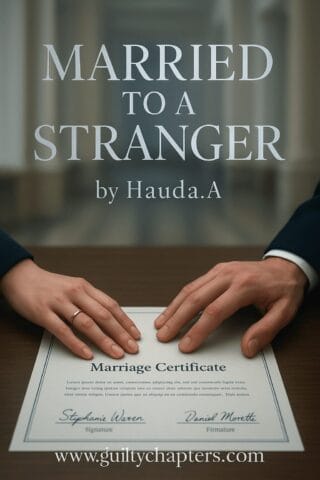
- Married to a Stranger — Exactly what it sounds like
Explore more: Arranged Marriage Romance | Marriage of Convenience | Forced Proximity | Fake Dating Romance | Contemporary Romance
Should You Read Fake Marriage Romances?
If you love:
- Forced proximity and domestic intimacy
- Watching characters catch feelings despite themselves
- The tension of “we agreed this was fake”
- Marriage with no actual feelings… yet
- Seeing love develop from shared experiences
Then yes. You absolutely should read fake marriage romances. Pick up one of the books above, settle in with a beverage of choice, and prepare to swoon over two people who definitely, absolutely, for sure are NOT falling in love with their fake spouse.
(They totally are.)
The Emotional Journey
What makes fake marriage romance so compelling is the emotional arc. These characters start with walls up, boundaries clearly defined, and zero intention of catching feelings. Watching those walls crumble, boundaries blur, and feelings develop despite every logical reason not to—that’s the magic.
By the time they admit the marriage isn’t fake anymore, we’ve watched them build a real partnership. They’ve navigated conflicts, supported each other through challenges, and created genuine intimacy without meaning to.
The fake marriage gave them a safe space to fall in love. And that’s beautiful, even if it started with fraud.
Frequently Asked Questions About Fake Marriage Romance
What’s the difference between fake marriage and marriage of convenience?
They’re essentially the same trope with different names. Both involve two people marrying for practical reasons (not love) with the expectation it’s temporary or purely business. “Marriage of convenience” is more common in historical romance, while “fake marriage” is often used in contemporary settings.
Are fake marriage books spicy or clean?
It varies by book! Some are sweet and low-heat, while others are extremely steamy. The forced proximity and “we’re married but can’t act on it” tension often leads to high steam levels once the characters give in. Always check reviews for heat level preferences.
Why do characters agree to fake marriages?
Common reasons include: immigration/green card needs, inheritance requirements, fooling family members, business deals, making an ex jealous, solving financial problems, or fulfilling pact agreements made years ago. The motivation needs to feel proportional to the extreme step of getting legally married.
Is the fake marriage trope realistic?
Not particularly! Marriage fraud is illegal, lying to families is questionable, and marrying a stranger is objectively wild. But these are fantasy stories meant for escapism and entertainment, not realistic life advice. The emotional journey is what matters, not the plausibility.
Do fake marriage books always have a happy ending?
In romance, yes! The genre convention requires a happily ever after (HEA) or happy for now (HFN). The fake marriage will become real, feelings will be confessed, and the couple will choose to stay together for love rather than convenience.
What other tropes pair well with fake marriage?
Fake marriage naturally combines with: forced proximity, enemies to lovers, grumpy/sunshine, only one bed, slow burn, boss/employee relationships, friends to lovers (with marriage pacts), and billionaire romance. These trope combinations create delicious tension.
📚 Want More Romance Trope Breakdowns?
Subscribe to the Guilty Chapters newsletter for weekly romance content, book lists organized by trope, and recommendations tailored to exactly what you’re craving. We’ll help you find your next fake marriage obsession.
What’s your favorite fake marriage book? Drop your recommendations in the comments! And tell us: would you ever agree to a marriage of convenience, or is this purely a fantasy trope for you?
Happy reading, and may your fake marriages always become real ones!













































👀 No one has reacted to this chapter yet...
Be the first to spill! 💬