
Romance novels have come a long way from Fabio-covered bodice rippers where consent was a suggestion and the hero’s redemption arc was “he stopped being terrible, isn’t that romantic?” The genre has evolved from pirates forcibly claiming captive heroines to grumpy billionaires who respect boundaries while still being possessive (it’s growth, okay?). The evolution of romance tropes tells the story of changing cultural values, shifting power dynamics, and readers demanding better while still wanting the same core fantasy: intense passion, emotional connection, and happily ever afters that feel earned rather than inevitable despite red flags.
Understanding how romance tropes evolved provides insight into both genre history and broader cultural shifts around relationships, consent, feminism, and what we consider romantic versus concerning. The bodice ripper heroine of the 1970s who “melted under his forceful embrace” would cancel the BookTok alpha of 2025 for his possessive behavior—and both heroines would judge each other’s relationship choices while secretly reading each other’s books. In this deep dive, we’ll explore how major romance tropes transformed over decades, what drove those changes, and why modern romance still loves the same core dynamics wrapped in more consent-aware packaging.
Ready for a journey through romance history? Let’s trace how we got from forced seduction to enthusiastic consent without losing the heat. 📚
The Bodice Ripper Era: 1970s–1980s Romance
The term “bodice ripper” originated in the 1970s–1980s when historical romance dominated the genre, featuring covers with flowing-haired heroines whose bodices were indeed being ripped by shirtless, long-haired men (often pirates or highlanders). These books embraced “forced seduction” as a central trope—the hero would take the heroine against her protests, she’d eventually enjoy it and fall in love, and readers were supposed to find this passionate rather than problematic. The era operated on the assumption that women’s sexual desire needed external permission to be acceptable, so heroes who “forced” heroines to enjoy pleasure were actually liberating them from their own inhibitions. It was deeply complicated psychology wrapped in euphemistic language.
The heroes of bodice ripper romance were aggressively alpha: pirates who kidnapped heroines, highlanders who claimed brides through force, sheikhs who kept harem captives, and lords who “ruined” innocent maidens. Consent was implied through the heroine’s eventual enjoyment rather than her initial agreement. These heroes didn’t ask permission; they took what they wanted and the heroines learned to love it, which romance of the era presented as desirable male dominance rather than assault. The genre was selling fantasies of overwhelming passion that bypassed women’s need to maintain respectability—if she was forced, she couldn’t be blamed for wanting it.
The heroines of this era were often virginal, innocent, and lacking agency beyond eventually accepting their attraction to the domineering hero. Her character arc involved learning to accept pleasure, embracing her sexuality through the hero’s education, and submitting to passion she’d been taught to suppress. The fantasy was that the right alpha male could awaken her sexuality and free her from societal constraints through overwhelming masculine desire. It sounds concerning when stated plainly (because it is), but the appeal was about exploring female sexuality in an era when women admitting to desire was still taboo.
This era’s romance reflected cultural contexts where women’s sexual agency was restricted, feminism was fighting for basic equality, and female desire was simultaneously suppressed and exploited. The bodice ripper provided space for women to explore sexual fantasies without taking responsibility for that desire—if the hero forced her, she wasn’t a “bad woman” for wanting him. The problematic power dynamics were features rather than bugs, designed to allow readers to vicariously experience passion while maintaining plausible deniability about enjoying it. It was escapism that reflected its time’s constraints on female sexuality.
The Shift to Consent: 1990s–2000s Evolution
The 1990s–2000s saw romance begin addressing consent more explicitly, though the transformation was gradual and uneven. Paranormal romance exploded during this period, and supernatural mate bonds provided convenient explanations for instant attraction and possessive behavior—he wasn’t controlling, he was biologically compelled by the mate bond! Contemporary romance started featuring heroines with careers, agency, and the ability to say no without being “conquered” into yes. The forced seduction trope didn’t disappear overnight; it evolved into dubious consent scenarios where the heroine’s initial resistance was more performative than genuine, and her eventual agreement came earlier in the seduction.
This era introduced what we now call “dubcon” (dubious consent) as distinct from the forced seduction of previous decades. The heroine might be coerced by circumstances, influenced by supernatural bonds, or negotiating sex-for-protection arrangements, but crucially, she actively chose to participate even if her choices were constrained. The alpha hero still pushed boundaries and tested consent, but crossing those boundaries without eventual permission became less acceptable. The genre was grappling with maintaining passion and intensity while acknowledging women’s right to sexual autonomy.
The paranormal romance boom of this era (vampires, werewolves, demons) provided genius workarounds for persistent alpha hero behavior. Mate bonds made possessiveness biological destiny rather than toxic behavior. Supernatural protectiveness justified surveillance and control as literal life-or-death necessity. The immortal hero’s centuries of trauma explained his emotional unavailability and controlling tendencies. Supernatural elements became permission structures for maintaining intense, dominant heroes while moving toward more consent-aware narratives. The reader could enjoy possessive alphas while telling themselves it’s different when there’s magic involved.
Contemporary romance of this period also began featuring more diverse heroines: women with careers beyond secretary or governess, heroines who weren’t virginal, women who’d been sexually active and weren’t “ruined” by it, and protagonists who demanded respect alongside passion. The heroines started having goals beyond landing the hero, and their character arcs involved personal growth rather than just accepting masculine dominance. The shift toward heroine agency meant heroes had to earn the relationship through growth and respect, not just overwhelming masculine prowess. Consent became prerequisite rather than afterthought.
The Modern Romance Revolution: 2010s to Present
The 2010s through present day witnessed romance’s explosion into mainstream acceptance, genre diversification, and significant evolution in how tropes are executed. Social media platforms like Goodreads, Twitter, and especially BookTok created communities where readers discussed not just what they enjoyed but why, leading to increased awareness of problematic dynamics and demand for better representation. The “me too” movement, evolving conversations about consent, and broader cultural shifts around toxic masculinity forced romance to reckon with its alpha hero problem: how to maintain intensity while respecting autonomy.
Modern romance maintains many beloved classic tropes but executes them with consent awareness that previous eras lacked. The possessive alpha still exists but now his possessiveness is presented as something to negotiate rather than simply accept. The forced proximity is external circumstances rather than the hero imprisoning her. The enemies-to-lovers features genuine dislike that evolves rather than hatred masking desire that’s secretly wanted all along. Today’s romance keeps the heat and intensity while showing characters actively choosing each other, communicating boundaries, and building relationships on respect alongside passion. The growth is real even if the fantasies remain similar.
The rise of diverse romance has been perhaps the most significant evolution. LGBTQ+ romance moved from niche to mainstream. Authors of color are writing Black, Asian, Latinx, Indigenous, and other cultural perspectives into romance narratives. Disability representation, neurodiversity, and body diversity are increasing. Readers demanded to see themselves in romance, and the genre responded with stories proving that happily ever after isn’t just for thin, white, straight, able-bodied couples. The expansion of who gets romance changed not just representation but the stories themselves—different cultural contexts require different relationship dynamics.
BookTok’s influence on modern romance cannot be overstated. What started as Gen Z readers sharing book recommendations exploded into a cultural force that drives sales, revives backlist titles, and determines which books become phenomena. BookTok favorites tend toward high heat, intense emotions, morally grey heroes, and tropes like enemies-to-lovers, forced proximity, and “who did this to you?” protective moments. The platform accelerated certain trope evolutions by creating feedback loops where reader preferences immediately influenced what publishers acquired and authors wrote. The genre became more responsive to reader desires in real-time.
How Specific Tropes Evolved
Forced Seduction → Enthusiastic Consent
1970s–1980s: Hero ravishes heroine who protests initially but eventually melts into passion. Her “no” means “yes, but I can’t admit it.” Consent is implied through eventual enjoyment.
1990s–2000s: Dubious consent scenarios where circumstances constrain choices but heroine actively participates. Her initial resistance is more circumstantial than genuine rejection. Mate bonds and supernatural compulsion provide explanations.
2010s–Present: Enthusiastic consent is standard, with characters discussing boundaries, checking in during intimacy, and treating “no” as a complete sentence. The passion remains but happens between partners who clearly want each other. Modern bodice ripper descendant: the grumpy hero who desperately wants her but won’t touch her without clear permission, creating tension through his restraint rather than his aggression.
Alpha Male Dominance → Respect + Intensity
1970s–1980s: Alpha hero dominates heroine physically, emotionally, and sexually. His way is the way. Her submission is romantic endpoint. His controlling behavior is presented as protective and desirable.
1990s–2000s: Alpha hero is still dominant but heroine has more agency in their dynamic. Her submission is choice rather than inevitability. His controlling behavior is somewhat questioned even if still romanticized, especially in paranormal where it’s “explained” by biology.
2010s–Present: Alpha hero is intense, protective, and often possessive, but respects heroine’s autonomy. His dominance exists in bedroom (with consent) rather than controlling her life. The relationship features negotiation rather than assumption. Modern alpha: the billionaire who’s ruthless in business but asks permission before kissing her, then loses control only after she gives it.
Virginal Heroine → Sexually Experienced Women
1970s–1980s: Heroine is almost always virgin. Her sexual awakening happens through hero. Previous sexual experience would “ruin” her as heroine material. Purity is prized; experience is punishment-worthy.
1990s–2000s: Heroines increasingly have sexual histories. Virginity is no longer requirement, though “experienced virgin” (innocent despite age) remains common. Past partners acknowledged but often minimal to avoid hero jealousy.
2010s–Present: Heroines are sexually experienced, confident in their desires, and sometimes more sexually knowledgeable than the hero. Past relationships are normal rather than sources of shame. Modern heroine: might have higher body count than hero, teaches him things in bed, and her sexual past is neutral character detail rather than moral judgment.
Secret Baby → Communication About Pregnancy
1970s–1980s: If pregnancy occurred (rare in this era), it was scandal requiring marriage. The baby trapped the couple together, solving plot through biology.
1990s–2000s: Secret baby became major trope. Heroine hides pregnancy for “good reasons” (protecting him, he didn’t want kids, she couldn’t find him). The secret creates years of separation and eventual revelation drama.
2010s–Present: Secret baby persists but with more scrutiny on heroine’s choice to hide it. Modern versions often include her attempting to tell him or having legitimate reasons he couldn’t be reached. The trope acknowledges the ethical complications of hiding a child while maintaining the dramatic reveal potential. Some contemporary romances feature immediate pregnancy disclosure with drama coming from how they navigate it together.
Forced Marriage → Marriage of Convenience
1970s–1980s: Forced marriage often involved literal force—captured, compromised, or married against will. Her lack of choice was romantic inevitability. Marriage was prison becoming palace through his love.
1990s–2000s: Forced marriage evolved into marriage of convenience where both parties agree to arrangement even if coerced by external circumstances. Less “he forced her” and more “circumstances forced both of them.”
2010s–Present: Marriage of convenience features two consenting adults making strategic decision for mutual benefit. Contract marriages with clear terms, fake marriages for practical reasons, or arranged marriages where both parties have input. Modern version: they both want the arrangement; falling in love is the surprise, not the submission to inevitable fate.
What Drove These Changes
Multiple cultural forces drove romance trope evolution, creating pressure from both readers and broader society. Second-wave feminism of the 1970s–80s began questioning women’s roles; third-wave feminism of the 1990s–2000s embraced complexity and choice; fourth-wave feminism of 2010s–present addressed intersectionality and consent culture. Each feminist wave shaped romance’s understanding of female desire, agency, and what constitutes empowering versus exploitative fantasy. The genre evolved alongside (sometimes reluctantly, sometimes enthusiastically) broader cultural conversations about women’s rights and relationships.
The internet revolutionized romance in ways impossible to overstate. Online communities allowed readers to discuss books, share preferences, and collectively articulate what they wanted that they hadn’t realized they were missing. Goodreads reviews, book blogs, BookTube, and BookTok created feedback loops between readers and authors. Publishers could see in real-time what worked and what didn’t, which tropes readers celebrated and which they criticized. The genre became more responsive to reader desires because those desires were suddenly visible and quantifiable.
The me-too movement and cultural reckoning with sexual assault, consent, and toxic masculinity forced romance to examine its glorification of boundary-pushing, possessive, and controlling heroes. Readers began asking uncomfortable questions: was the alpha hero fantasy actually romanticizing abuse? Did romance novels teach unhealthy relationship expectations? Should the genre feel responsible for perpetuating toxic masculinity tropes? The answers varied, but the conversations influenced how authors wrote and readers evaluated relationships in romance.
Diversification of both authors and readers also drove evolution. When romance was primarily written by and for white, straight, middle-class women, the tropes reflected that narrow demographic’s fantasies and constraints. As the romance readership and author pool diversified, new voices brought new perspectives on relationships, power, consent, and what constitutes romance. Different cultural contexts produce different relationship dynamics; including those perspectives enriched the genre beyond its historically narrow scope.
Why Old Tropes Persist (And Why That’s Okay)
Despite evolution toward consent and respect, many “problematic” tropes persist—and readers still love them. Dark romance embraces dubcon, non-con, and controlling heroes. Paranormal romance uses supernatural bonds to justify possessiveness. Historical romance maintains some period-accurate power imbalances. These tropes endure because they serve psychological needs that consent-focused contemporary romance doesn’t always satisfy: the fantasy of being desired so intensely that restraint becomes impossible, of surrendering control safely, of being claimed rather than choosing. These are fantasies we explore in fiction precisely because they’re inappropriate in reality.
The key distinction modern romance makes (mostly) is framing: problematic dynamics are acknowledged as problematic rather than simply romantic. Dark romance and paranormal romance explicitly signal their content so readers can make informed choices. The genre increasingly separates “what’s hot in fiction” from “what’s healthy in reality.” Readers can enjoy possessive alphas in books while wanting equal partnerships in life, can fantasize about forced proximity while valuing independence, can love enemies-to-lovers while maintaining healthy friend groups. Fiction isn’t instruction manual; it’s fantasy exploration.
The persistence of these tropes also reflects genuine diversity in women’s desires. Not every reader wants the same fantasy. Some want soft, consent-focused contemporary with emotional vulnerability. Others want dark paranormal with dubious consent and possessive mates. Many want both, alternating based on mood. The evolution of romance hasn’t eliminated tropes so much as expanded options: readers can find consent-focused versions of favorite tropes OR find explicitly dark versions, depending on preference. The genre now offers both, labeled clearly so readers choose their own adventure.
The Future of Romance Tropes
Romance continues evolving in real-time. Polyamorous romance is growing beyond niche. Asexual and aromantic-spectrum representation is increasing. Mental health awareness is shaping how authors write trauma, healing, and relationship conflict. Climate fiction is influencing settings and stakes. The genre adapts to cultural shifts while maintaining core appeal: emotional connection, satisfying relationship arcs, and guaranteed happy endings that provide escape from reality’s uncertainty.
Technology is also shaping modern romance in ways that would baffle bodice ripper authors. Dating apps create meet-cute opportunities. Social media provides relationship complications. Texting and video calls maintain connection during separation. The mechanics of falling in love have changed; romance reflects those changes while maintaining timeless emotional truths. The medium evolves but the message—love conquers obstacles, connection matters, happily ever after is possible—remains constant.
The genre will likely continue grappling with balancing intensity with respect, passion with consent, fantasy with responsibility. Romance serves contradictory functions: escapism from reality AND reflection of cultural values; exploration of taboo desires AND reinforcement of relationship ideals; pure entertainment AND cultural commentary on gender, power, and love. Managing those contradictions while satisfying diverse reader preferences ensures romance remains dynamic, controversial, and culturally relevant. The conversations about what romance should or shouldn’t include will persist because there’s no universal answer.
Why Romance Evolution Matters
Romance evolution reflects and influences broader cultural understanding of relationships, consent, gender roles, and power dynamics. The genre reaches millions of readers who internalize relationship models through fiction. When romance shifted from glorifying forced seduction to celebrating enthusiastic consent, it influenced real-world conversations about what romantic pursuit should look like. When diverse romance became mainstream, it normalized seeing all kinds of people deserving love stories. The genre’s evolution isn’t just literary history; it’s cultural history documenting changing values around intimacy, autonomy, and connection.
The genre also provides roadmap for balancing tradition with progress in cultural products. Romance didn’t abandon beloved tropes when updating for modern values—it evolved their execution while maintaining core appeal. Readers can still enjoy intense, passionate, possessive heroes; those heroes just need to respect boundaries too. The genre proves evolution doesn’t require abandoning what works; it requires thoughtful adaptation that honors both heritage and progress.
Understanding romance evolution also combats dismissal of genre as frivolous. These books document shifting cultural values around gender, sexuality, consent, and relationships through decades. Romance is both mirror reflecting society and window showing possibilities; its evolution tracks women’s changing expectations for themselves and their partners across generations. Dismissing romance as “just escapism” ignores its cultural significance as both document and driver of social change around intimate relationships.
From Bodice Rippers to BookTok: The Journey Continues
Romance traveled remarkable distance from pirate forcibly claiming heroine to grumpy billionaire who asks permission before kissing her (then loses control after she gives it). The journey from bodice ripper to BookTok favorite shows genre adapting to cultural evolution while maintaining core fantasies that attracted readers initially. We still want intense passion, overwhelming desire, and heroes who are slightly unhinged about their love interest—we just want consent and respect alongside the obsession now. That’s growth.
The genre’s ability to evolve while maintaining commercial viability and reader devotion demonstrates romance’s resilience and responsiveness. Romance listens to readers, adapts to cultural shifts, embraces new voices and perspectives, and continues delivering what readers want: escape, entertainment, hope, and happy endings. The tropes may evolve but the promise remains: love is possible, connection matters, and you deserve your happily ever after. That message transcends trends, technological changes, and cultural shifts—which is why romance will continue evolving while remaining essentially, beautifully itself.
Ready to Read Romance Across the Decades?
Whether you’re team bodice ripper or team BookTok, old school or new wave, GuiltyChapters.com delivers stories that embrace modern sensibilities while honoring romance’s deliciously dramatic heritage. We’ve got consent AND chaos, respect AND obsession, boundaries AND passion—because good romance can have all of it.
What’s your controversial romance take? Are old bodice rippers better or is modern romance superior? Drop a comment and defend your position—we’ll read the chaos while eating popcorn. 📚💋🔥
Read These Stories and Decide for Yourself
Want to see how modern romance executes classic tropes with all the intensity and none of the ick? These GuiltyChapters originals deliver enemies-to-lovers, possessive alphas, and forced proximity done right:
- My Stepbrother, My Enemy — classic enemies-to-lovers with enough forbidden tension to make you forget boundaries exist.
- Snowbound with Mr. Wrong — forced proximity done right: stuck together, can’t escape, feelings happen whether they want them to or not.
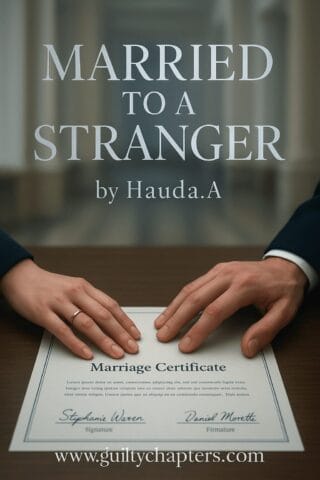
- Married to a Stranger — the modern marriage of convenience: a contract, two strangers, and the inconvenient truth that they actually work.
- Alpha’s Heir, Not His Mate — the possessive alpha who destroyed everything, now groveling to get it back. Modern alpha energy at its most devastating.
Browse more: Enemies to Lovers | Dark Romance | Paranormal Romance | Forbidden Romance | Forced Proximity
Related Posts
- 15 Addictive Romance Tropes That Will Ruin Your Sleep Schedule
- Paranormal Romance vs Contemporary Romance: Finding Your Perfect Match
- The Ultimate Guide to Dark Romance: What It Is, Why We Love It
- The Secret Psychology of Forbidden Romance (And Why We Can’t Stop Reading It)




































👀 No one has reacted to this chapter yet...
Be the first to spill! 💬